

We talk endlessly about behavior in dogs.
We talk about what they’re doing wrong.
What they should be doing.
What needs fixing.
What needs managing.
But how often do we talk about their outlook?
There’s a word I’ve come to love: Dogsitivity.
Not forced cheerfulness. Not endless tail wagging. Not “easy.” But something more meaningful — a dog’s underlying emotional posture toward life.
Recently, on Dog Talk, I was joined by Ineke Vander Aa, who brings a thoughtful and deeply observant perspective to this idea. Together we explore whether some dogs are naturally more optimistic — and whether that optimism can be nurtured.
Because when you start thinking about your dog’s outlook instead of just their behavior, everything shifts.
Does your dog assume the world is safe?
Do they approach new situations with curiosity?
Do they recover quickly from stress?
Do they look to you for reassurance — and bounce back once they get it?
Or does your dog brace for the worst?
 Some Dogs Seem Built for Optimism
You know the ones. The dogs who walk into a new environment and seem to say, “Sure! Why not?” The ones who get startled, shake it off, and move on. The dogs who are resilient in ways that feel almost human.
Are they just “easy” dogs?
Or is something deeper going on?
Ineke talks about research suggesting that, much like people, dogs may have different cognitive biases. Some dogs interpret ambiguous situations with a hopeful expectation. Others anticipate discomfort or threat.
That doesn’t make one dog better than another.
It simply means they’re wired differently.
And once you understand that difference, you stop trying to change who your dog is — and start thinking about how to support them.
Dogsitivity Isn’t Just Temperament
Yes, genetics matter. Early socialization matters enormously. Trauma leaves its imprint.
But as Ineke points out, Dogsitivity isn’t set in stone.
A dog who is cautious or reactive isn’t “choosing” negativity. They may simply have learned that the world is unpredictable.
And here’s the hopeful part: expectations can shift.
In the episode, we talk about the quiet, daily interactions that shape how dogs interpret life:
- How you respond when something startles them
- Whether you add tension or provide calm
- How predictable their routines feel
- Whether exploration is encouraged in small, manageable doses
Dogs are constantly collecting data about whether the world is safe.
And you are their primary source of information.
Your Nervous System Is Part of the Equation
One of the most powerful parts of this conversation is how much our own emotional tone influences our dogs.
Ineke emphasizes that dogs are exquisitely sensitive to subtle cues. They don’t just respond to what we say — they respond to how we feel.
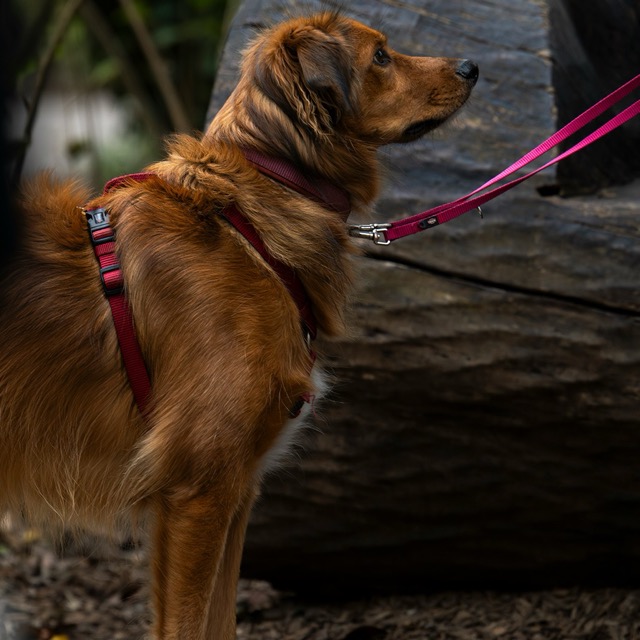 If you brace for trouble on every walk, your dog may learn to do the same.
If you approach new experiences with grounded steadiness, your dog may slowly reinterpret those situations as manageable.
Dogsitivity grows in the relationship.
It isn’t about pretending everything is fine. It’s about modeling resilience.
Dogs don’t just learn commands.
They learn emotional patterns.
Can You Build Dogsitivity?
This is where the episode becomes both practical and hopeful.
Can you help a cautious dog become more optimistic?
Can you strengthen resilience?
The answer isn’t a magic technique. It’s not dominance. It’s not pressure.
It’s consistency. Safety. Emotional clarity.
It’s noticing when your dog tries — even in tiny ways.
It’s reinforcing curiosity.
It’s allowing processing time without flooding.
Dogsitivity isn’t about forcing positivity. It’s about creating enough safety that optimism becomes possible.
And that’s something we can influence.
Seeing Your Dog Through a New Lens
If you’ve ever wondered:
“Why does he always assume the worst?”
“Why does she get overwhelmed so easily?”
“Why can’t we just relax?”
This conversation may offer a different perspective.
Your dog may not be difficult.
They may simply be cautious in a world that feels uncertain.
And you may start noticing small moments of Dogsitivity you’ve overlooked — the quick recovery, the soft eye contact, the tentative step forward.
Sometimes optimism in a dog doesn’t look exuberant.
Sometimes it looks like bravery.
I loved this conversation with Ineke because it invites us to think more deeply, not about correcting our dogs, but about understanding how they interpret their world.
If you’re curious about your dog’s emotional outlook and how you might gently nurture resilience, I hope you’ll listen.
🎧 Listen to the full episode here
📖 Learn more about Ineke Vander Aa and Dogsitivity here
You may come away not only seeing your dog differently…
…but seeing your role in their optimism differently, too.