

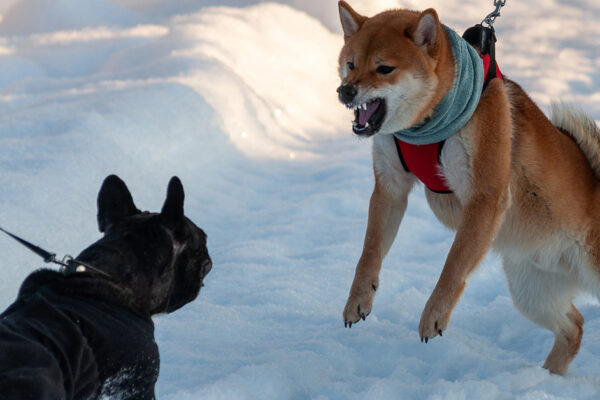
Why “aggressive” dogs are usually just dogs we haven’t listened to yet
You can listen to the full Dog Talk® (and kitties, too!) episode with Mark Bridger-Prescott here:
👉 A Growl Is a Wonderful Noise
When British dog trainer and canine behaviorist Mark Bridger-Prescott said to me, “A growl is a wonderful noise,” I practically wanted to embroider it on a pillow.
Mark is the owner of Bone Canis in the U.K., with a degree-level qualification in Advanced Canine Behaviour and decades of hands-on experience. He’s known for working with dogs everyone else calls “aggressive.” He calls them something else: dogs who haven’t been heard.
“When a dog growls,” Mark said, “you need to say, ‘Sorry, mate. Thank you for growling and letting me know you needed space.’”
That one sentence turns our usual thinking about “bad” dogs completely upside down.
It’s usually not an “aggressive dog” problem
So many families show up feeling ashamed and defeated:
“He growled at my child.”
“She snapped at another dog.”
“He’s always barking at people outside.”
What they really have is a communication problem.
We humans tend to focus on what we want from the dog:
- Don’t jump on guests
- Don’t bark out the window
- Don’t pull on leash
- Don’t growl at other dogs
Notice how human-centered that list is. As Mark pointed out, almost nobody starts with, “What does my dog need in this moment? Is my dog scared, confused, or overwhelmed?”
A huge part of modern dog training is teaching people to flip that script.
A quick word about trainers (and why trusting your gut matters)
In the U.K., Mark has formal education in behavior and belongs to organizations that set standards for force-free training. However in the U.S., it’s far easier for someone to simply declare themselves a trainer and start taking clients.
That means you must be choosy.
A good trainer will:
- Explain what they’re doing and why
- Use methods based on reward and cooperation, not pain or intimidation
- Put your dog’s emotional well-being first
If you’re standing there watching someone jerk your dog on a collar, hang them off their front feet, or “show them who’s boss,” and your stomach drops… listen to that feeling.
You are allowed to say, “This doesn’t feel right. We’re done here.”
Why a growl is actually good news
We’ve been conditioned to think growling is the beginning of a crime spree. In reality, a growl is usually a last-ditch attempt to avoid a bite.
A growl says:
- I’m uncomfortable.
- I can’t handle this.
- Please stop. Please back off.
If we punish that sound — yelling, yanking, or scolding — we risk teaching the dog that warning us is dangerous. Next time they’re that scared or overwhelmed, they may skip the growl and go straight to their only remaining tool: their teeth.
When Mark hears a growl, he treats it as useful information. He pauses, gives the dog space, and essentially says, “Thank you for telling me you’re not okay.”
“The dog hasn’t ‘won,’” he told me. “We’ve all won.” Because the dog has learned their voice works, and there’s no need to escalate.
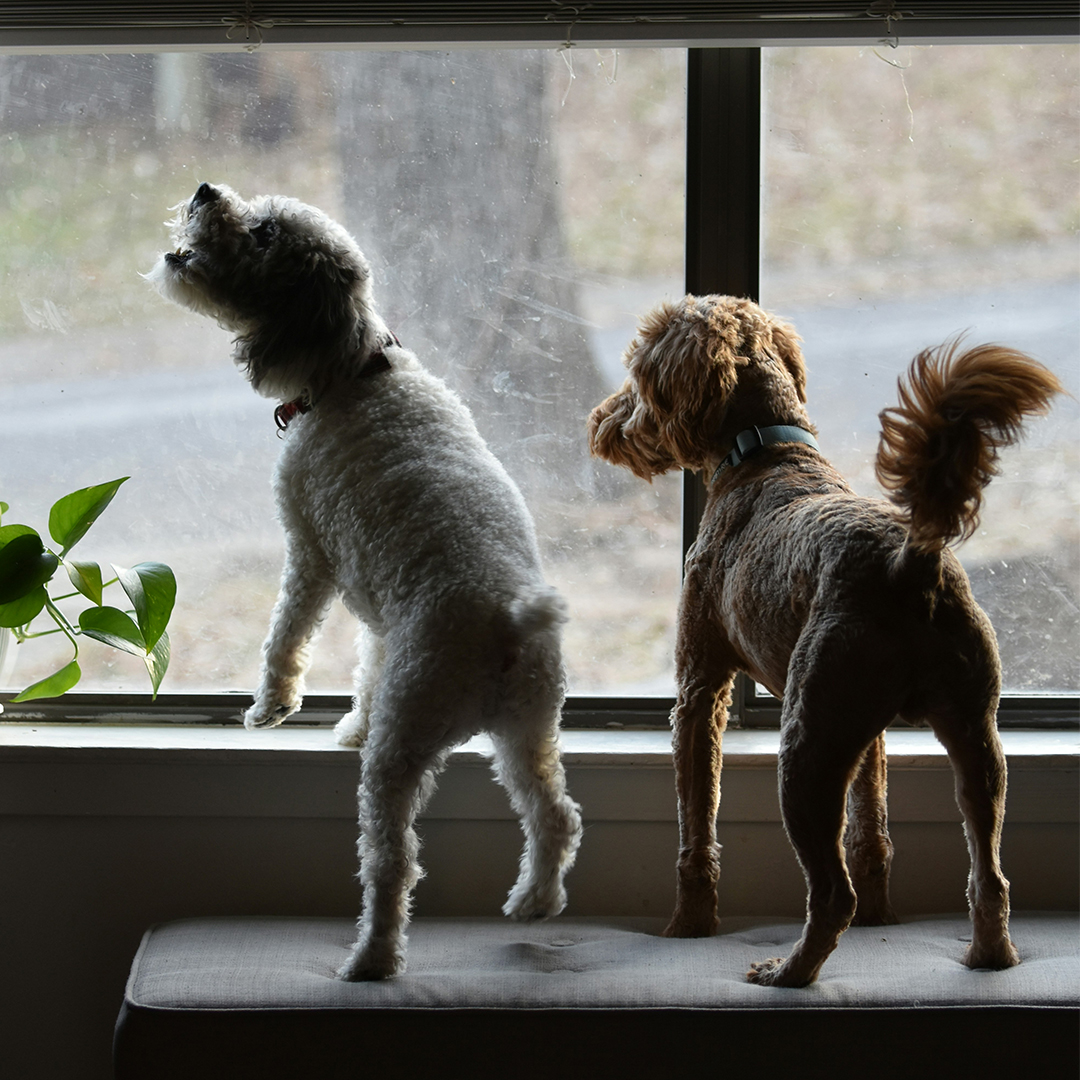 Thank your dog for barking
I loved Mark’s simple approach to dogs who bark like lunatics at windows and doors.
Instead of shouting “Quiet!” from the next room, he walks over and says a sincere:
“Thank you.”
These dogs believe they are saving us from constant danger — mail carriers, delivery people, passersby. In their minds, they’re the security service.
So he acknowledges the alert, thanks them, and then calls them away and rewards them. Over time, the dog learns:
- A few barks are enough to do their job
- The human “takes over” once alerted
- They can relax instead of staying wired all day
As Mark put it, “I don’t want to stop you barking. I want you to control your barking.”
That’s a completely different message than “Shut up, you’re annoying me” — and it creates a very different dog.
Confidence over control
Many so-called “aggressive” or “reactive” dogs are, at their core, just lacking confidence. They haven’t been taught what to do, they don’t understand the situations we put them in, and they feel absolutely out of their depth.
Helping these dogs often looks like:
- Teaching simple skills and games so they can succeed and be praised
- Letting them observe the world from a distance where they feel safe
- Rewarding small, brave choices — like looking away from a trigger and back at you
You don’t have to turn every dog into an agility champion. But you do need to help your dog feel capable and safe, rather than constantly “wrong.”
Not every dog likes every other dog
One more myth Mark happily popped: the belief that all dogs should love all other dogs.
“People seem to think dogs like dogs,” he said. “No, they don’t. They haven’t got to like more dogs. I don’t like most people — and the older I get, the fewer people I like.”
Your dog does not need a packed social life. A couple of true canine friends may be plenty. Some dogs simply want their family and a peaceful life — and that’s okay. [Reminds me of myself and my husband, actually!]
A thoughtful trainer will respect who your dog really is, not force them into a crowded dog-park or dog cafe lifestyle just because that’s someone’s idea of “normal.”
What I hope you’ll remember
If you share your life with a dog who growls, barks too much, or explodes at other dogs, here’s what I hope you’ll hold onto from my conversation with Mark:
- A growl is a warning, not a crime
- Your dog is almost always telling you they’re scared or overwhelmed, not plotting a takeover
- You’re allowed to walk away from any trainer who makes you or your dog feel worse
- Helping your dog feel safe and confident will do more for their behaviour than any harsh “correction” ever could
And most of all:
When your dog finds the courage to say, “I can’t handle this,” the kindest thing you can do is listen.
If you’d like to hear the whole conversation with Mark Bridger-Prescott — including his wonderful way of talking to dogs and the people who love them — you can listen here:
👉 A Growl Is a Wonderful Noise