



We tend to think we know our dogs inside and out. We notice when they’re hungry, when they want a walk, when they’re feeling playful. But pain? That’s the one thing they are wired to hide.
And that’s exactly why arthritis in dogs is so often overlooked—or undertreated.
It’s not that we don’t care. It’s that we don’t always recognize the signs.
A dog who hesitates before getting up.
Who no longer jumps into the car.
Who seems “a little slower” these days.
We tell ourselves: He’s just getting older.
But what if that slowing down is actually pain?
That’s what made my conversation with Dr. Bob Menardi of Synovetin OA so compelling. What he shared isn’t just another option—it’s a completely different way of thinking about arthritis treatment.
Treating the Cause, Not Just the Pain
Most arthritis treatments focus on managing discomfort. Pain meds, supplements, injections you repeat monthly—you try them, you hope they help, and sometimes you’re left wondering if anything has really changed.
What’s different here is the target.
Arthritis pain doesn’t come out of nowhere. It’s driven by inflammation inside the joint—an ongoing process that not only hurts but also breaks the joint down over time.
As Dr. Menardi explained, this treatment goes directly to the source of that inflammation, instead of just masking the symptoms.
And it does so in a surprisingly simple way: a single injection into the affected joint.
Not monthly. Not ongoing. One treatment.
“One and Done” — What That Really Means
When I first heard “one injection,” I assumed it was like other joint therapies—temporary, repeat, uncertain.
It’s not.
This approach uses a very low-level, targeted therapy that stays confined within the joint. It doesn’t circulate through the body. It doesn’t require repeated visits. And for many dogs, it can provide relief for up to a year.
That’s not just convenience—it’s a completely different experience for both dog and owner.
No more constant vet appointments trying to evaluate “Is it working?”
No more guessing whether the expense and effort are paying off.
No more watching your dog struggle and hoping you’re doing enough.
In clinical studies, 92% of dogs with mild to moderate arthritis showed improvement—better mobility and reduced pain. Even better news? There haven't been adverse reactions to the injection, other than the most commonly reported side-effect which was temporary soreness at the injection site, which typically resolves in a few days.
That’s not incremental. That’s meaningful.
The Dogs Who Need This Most
The irony is that the dogs who would benefit the most are often the ones we catch too late.
Arthritis doesn’t suddenly appear—it develops over time. And early treatment can make a significant difference, not just in comfort, but in slowing progression.
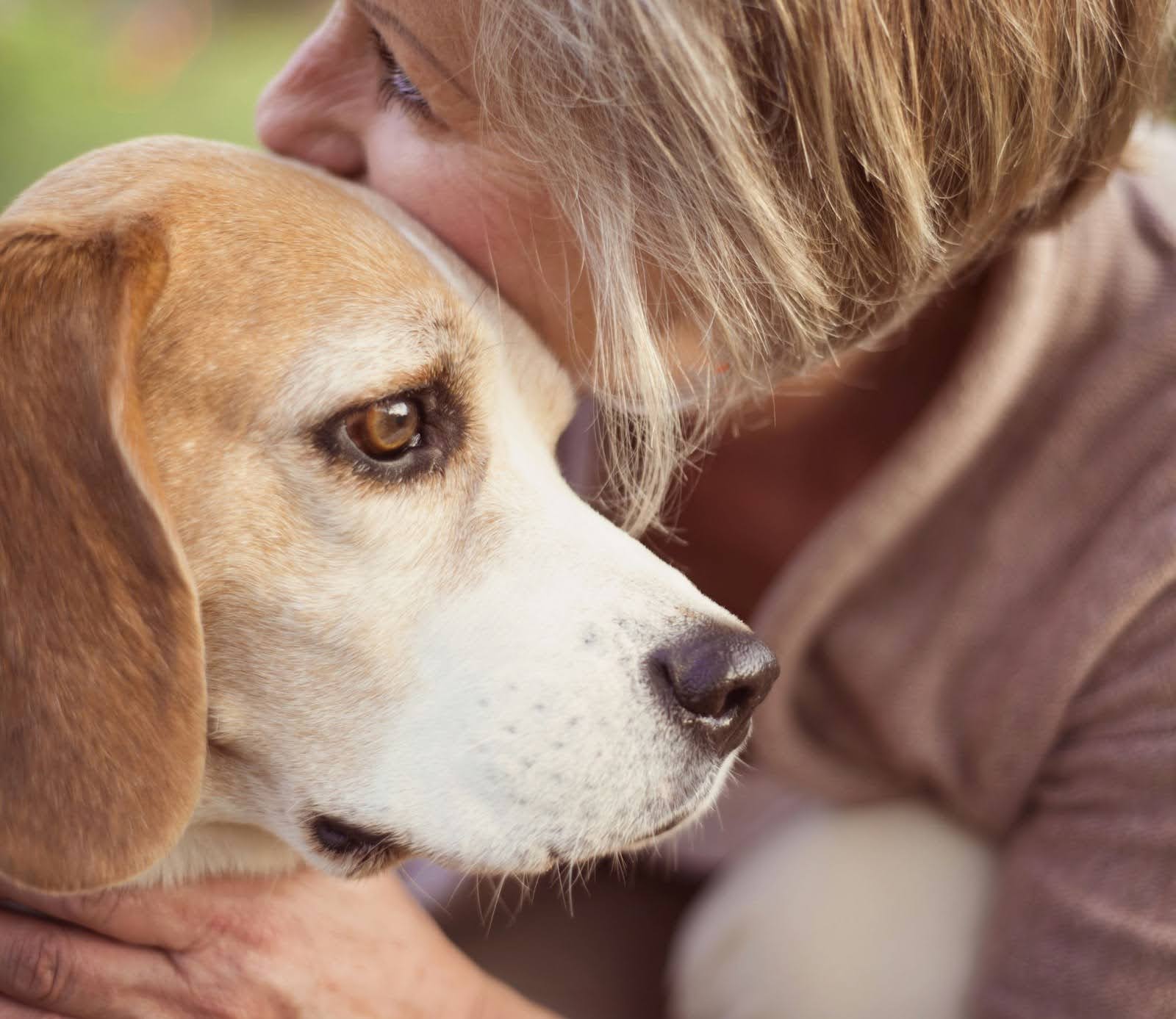 Think about:
- Dogs who are starting to hesitate on stairs
- Dogs who no longer run the way they used to
- Dogs recovering from injuries like ACL tears
- Dogs with known joint issues (like elbow or hip dysplasia)
These aren’t just “aging signs.” They’re signals.
And when we respond earlier, we give our dogs a better quality of life for longer.
Access Is Easier Than You Think
This isn’t something you do at home, and it’s not something every general vet will offer.
But treatment centers are set up across the country, and most people are within a couple of hours of one. Your regular vet can refer you.
If your dog is showing signs of arthritis, it’s worth asking the question.
The Bigger Picture
What struck me most in this conversation wasn’t just the science—it was the possibility.
The idea that a dog who has quietly been living with pain could feel relief.
That a “slowing down” dog could regain some of their spark.
That we could intervene earlier, more effectively, and with less ongoing burden.
Because pain changes everything—for people and for dogs. And when we can relieve it, we give them back more than mobility.
We give them back joy.
If this sounds like something your dog might benefit from, I encourage you to listen to the full episode.
And if you want to explore treatment locations near you, find more information.
Because when it comes to your dog’s comfort, “just getting older” shouldn’t be the end of the story.